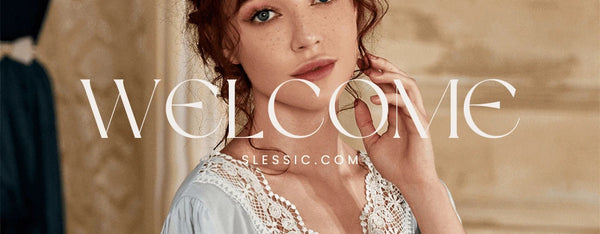
The Importance of Quality Time for Relaxing at Home
In contemporary society, the relentless pace of professional and social obligations places unprecedented demands on our cognitive and physiological resources. Consequently, the home must function as a sanctuary for rigorous mental and physical restoration. To relax is not merely to engage in passive inactivity; it is a scientifically validated necessity for emotional regulation, stress reduction, and overall well-being. However, the efficacy of this recovery process is heavily influenced by our environmental and behavioral cues. One of the most critical, yet frequently overlooked, variables in optimizing our downtime is the attire we choose for our domestic life. By embracing elegance and dressing up in our private spaces, women can significantly enhance the psychological benefits of their daily restorative rituals.
The Cognitive Impact of Elegant Sleepwear
Empirical research in the field of psychology has established the concept of "enclothed cognition," which posits that the garments we wear systematically influence our psychological processes and behavioral states. When an individual transitions from rigid professional attire into a classic nightgown, it acts as a powerful cognitive trigger. This sartorial shift signals to the brain that the period of labor has concluded and the phase of leisure has commenced. Unfortunately, many relegate their home wardrobe to worn-out, uninspired clothing, which can inadvertently perpetuate feelings of lethargy. By purposefully selecting high-quality, romantic pajamas, women can actively elevate their self-perception, lower cortisol levels, and cultivate a refined environment that respects the serious nature of true recovery.
Tactile Sensory Input and Physiological Restoration
The physiological mechanics of relaxation are deeply tied to our sensory experiences. The tactile stimulation provided by the fabrics we wear plays a fundamental role in activating the parasympathetic nervous system, which is responsible for the body's "rest and digest" functions. Picture yourself in a flowing gown; the gentle, unrestrictive drape of the fabric against the skin provides continuous, soothing sensory input. Furthermore, the meticulous details of lace and the smooth, breathable finish of premium textiles offer an optimal tactile environment. This sensory engagement reduces physical tension and promotes a deeper, more restorative state of rest compared to synthetic or restrictive materials.
Reclaiming a Vintage Aesthetic for Mental Well-being
Dressing up for oneself within the confines of the home is a behavioral intervention that substantially bolsters self-esteem and autonomy. Incorporating a vintage aesthetic into your evening routine transcends superficial fashion; it is a deliberate act of self-preservation. Historically, sleepwear was crafted with a focus on noble silhouettes and meticulous tailoring. By returning to these standards, women are encouraged to embrace romance and elegance entirely for their own psychological benefit. Curating a wardrobe that prioritizes both aesthetic beauty and structural comfort establishes a definitive, healthy boundary between the external world's demands and the personal sanctuary of the home.
Conclusion
The imperative to relax and recover should be treated with the same scientific rigor as our professional endeavors. Quality time spent at home is the foundation of cognitive resilience and physiological health. By thoughtfully integrating a romantic nightgown or a set of classic pajamas into your evening routine, you optimize your environment for maximum restorative impact. Embracing an elegant approach to leisure is not a frivolous indulgence, but a strategic practice in self-care. Ultimately, dressing beautifully in your private hours is a profound method of honoring your own well-being, ensuring that your time of rest is as enriching and dignified as the rest of your life.